Against Broad Student Loan Forgiveness

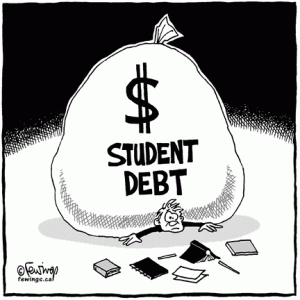
student_debt

May 11, 2022 was a financial watershed for my friend Laura Davenport. A teacher at Alamo Colleges in San Antonio, on that day she received an email from the Department of Education informing her that her $155 thousand of student loan debt had been suddenly forgiven – from one day to the next – through a program called Public Service Loan Forgiveness (PSLF.) She couldn’t believe it at first. 

She had been working for years to qualify for just this event. She described to me a Kafka-esque journey with her loan servicer and the Department of Education, in search of a way to take care of the loans she took out for her Master’s degree and PhD in creative writing. Between 2009 when she completed her degree and now – despite more than 10 years of payments – her loans had grown from $119,921 to $155,399. 
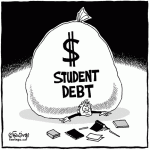
I bring this anecdote up in part to call attention to the PSLF. If you or someone you love has student loans and has or will accrue ten years in public service work or non-profit work, they may qualify for this massive debt relief. There’s an October 2022 deadline for getting your case for loan forgiveness reviewed by the Department of Education, with relaxed standards for qualifying, compared to the past. 

I also bring this up because  the Biden Administration has strongly implied that it will soon forgive $10,000 of debt (or more!) in a kind of blanket amnesty program for student loan borrowers. A progressive movement has grown to a crescendo in the past few years in favor of broad-based student loan forgiveness. 

I’m the kind of jerk that thinks this type of amnesty is a big mistake. I don’t really enjoy writing financial opinion pieces that I know will garner a lot of hate mail. Ah well, I’m still going to state my unpopular view. Regular student loan forgiveness currently contemplated by the Biden administration (of $10,000, or more!) is a bad idea. 

The pro-student loan forgiveness movement makes the following points.

  1. The cost of higher education has become outrageous. Tuition Inflation has run at an average of 6.2 percent for the past 20 years, well in excess of the rest of the economy, and certainly of wage increases.
  1. State universities used to be an affordable option, but no longer. Over the past 20 years the cost of public education has nearly tripled on average. The children of middle class families cannot afford public education. Despite robust public university systems, the average student borrower in Texas has over $31,000 in debt. The average!
  1. Unlike nearly every other type of personal debt, student loans are not dischargeable in bankruptcy, making it a harsher debt burden than credit cards, home, car, or business loans.
  1. Student loan debt balances are bigger than credit card debt balances, roughly $1.7 trillion compared to $840 billion. About 13 percent of Americans have student loan debt, making it a widespread burden.
  1. Wealthy countries in Europe do not make higher education unaffordable like we do. It’s typically free or very affordable there.

I agree with all of this. And yet, I still don’t think the Biden administration should offer $10,000 or more in student loan amnesty.

I oppose wide-scale debt forgiveness from two angles. First, student debt forgiveness is inequitable. 

In part because of the demographic of who enrolls in higher education, and in part because of high debt balances that accrue to high-income potential degrees like medicine, law, and business, academic studies all conclude that debt forgiveness plans are regressive. That means that the higher benefits of this public good goe to higher income populations, while the lowest income populations enjoy less benefit. Understood similar to a regressive tax policy, broad debt forgiveness doesn’t pass the fairness smell test.

Second, it’s bad politics. Here’s a partial list of people who have good reason to resent broad based higher education loan forgiveness:

  1. Americans who have not studied for a higher degree. (This is a majority of Americans, by the way. Only 48 percent of people 25 or older have completed an Associate’s, Bachelor’s or higher degree).
  2. Americans who took out higher education loans and who have paid their debts back one way or the other. They did the hard thing, and now they will feel like suckers.
  3. Americans who will take out higher education loans in the future but who will not receive loan forgiveness. When my girls go to college, by an accident of birth, they will most likely not get their debts forgiven.

This is a recipe for political resentment. Of course we may anecdotally know or be somebody “deserving” of debt forgiveness, but as a matter of policy it’s not a good idea.

So what kind of relief should we offer? I’m very pro debt forgiveness for people who have done public service. The military, government service, public education – these all seem like worthy ways to earn debt relief. You earned less with your degree than you could have in the private sector, but you contributed to society, and then society pays you back. A fair deal, and politically palatable.

As for Davenport, who qualified after working 10 years in public service, I’m thrilled for her. During the last administration, PSLF approvals dropped to nearly non-existent, to the point that the Government Accountability Office found that a mere 1 percent of applicants qualified by 2019.

A shift in policy in the past year however has suddenly opened up borrowers for massive relief. 

A second group that should get relief are people scammed by higher education. On June 1st the Education Department wiped out $5.8 billion owed by 560 thousand student borrowers to Corinthian College, which went bankrupt after 20 years of dubious promises and under-delivery. Seems right to me, but it would have been even more satisfying if the Corinthian College leadership had been prosecuted for costing the public billions of dollars.

The Biden administration’s plan to simply forgive loan debts – not linked to service – seems unfair and politically unwise.

A version of this post ran in the San Antonio Express-News and Houston Chronicle.

Please see related posts:

Past Student Loan Forgiveness Failures

Not Holding my breath on Student Loan Forgiveness

Post read (169) times.

Does Texas Believe in Free Speech?

Texas leaders need to go back to middle school. 

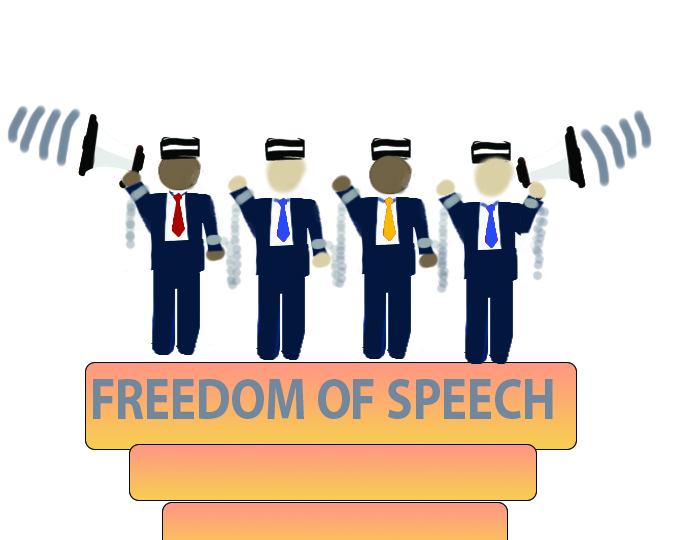
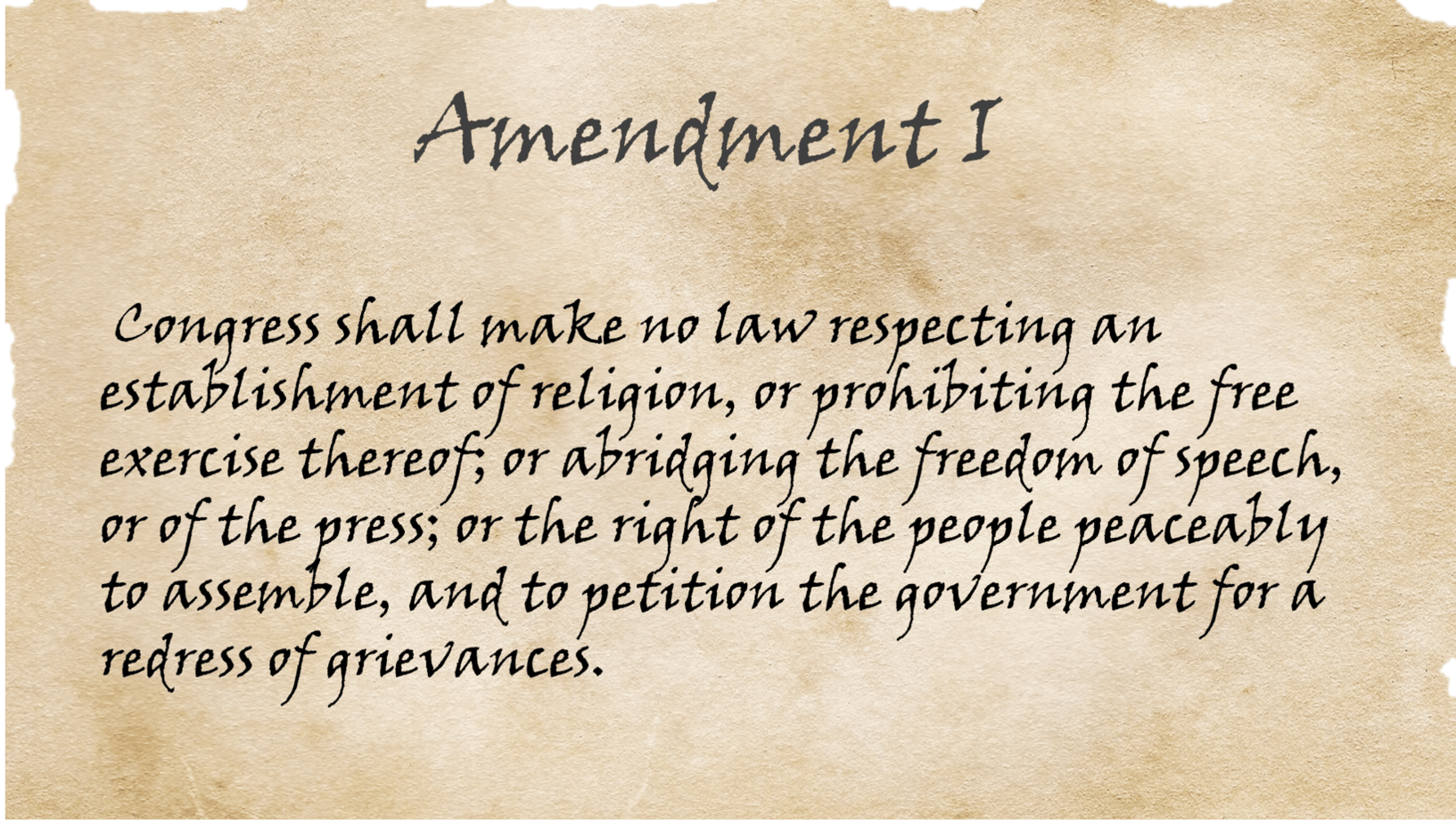
My sixth grader recently learned, and then recited to me, the 10 Amendments to the Constitution, beginning with the first and best known: The freedoms of religion, assembly, petition, press, and speech. The key point of all of these is a limitation on what government can demand from private citizens and businesses. You’re welcome for the refresher.

In a special legislative session in September 2021, the Texas legislature passed HB 20, which empowered the Texas Attorney General to regulate large social media companies based on what messages they promote or discourage.

The point of the bill, made explicit at the time by Governor Abbott, was to redress a perceived imbalance in social media coverage of political voices. “Silencing conservative views is un-American, it’s un-Texan and it’s about to be illegal in Texas,” Abbot tweeted.

Unfortunately, this is a grave misunderstanding of the First Amendment. As a constitutional matter, the government can not tell private companies what they can and cannot publish.

But don’t take it from me, a member of the fake news community. Take it from State Representative Giovanni Capriglione (R-Southlake). He was one of the few Republicans to vote against the bill. 

The problem of regulating social media companies, as Capriglione told me, “It is a slippery slope when we let the government say what we can say and think. Unfortunately this bill broadens that. And we let the government get into editorial moderation.”

Immediately following passage of the bill, Net Choice and The Computer and Communications Industry Association (CCIA) –  private advocacy groups that count these social media companies as clients – filed to stop the bill from going into effect, winning an injunction in December 2021.

So here’s what happened this past week. Texas Attorney General Ken Paxton’s office won on appeal, lifting the injunction, putting the HB20 back into effect. At least until the next move, the AG of Texas can regulate large social media companies for, in effect, not being conservative enough. All Texans, all Americans should be worried about this, both on the left and the right.

CCIA
Computer Communications Industry Association, to take on the Texas law HB20

Let’s remove this from traditional left/right politics. For example, you may personally prefer a better financial columnist in your paper each week. Your leaders in government may also want that. But your government does not have the right to regulate a media company just because the financial columnist is bad, and the better columnists are being “censored.” That’s not how it works. The First Amendment protects the media company from having any government regulate them based on a bad financial columnist. It’s as simple as that. 

Matt Schruers is the President of the CCIA, which won in December, and then lost last week, the injunction against HB 20. They argue this is a basic First Amendment issue. “Ostensibly conservative officials are doing very unconservative things with respect to businesses that take positions that they do not like.”

I agree with Schruers and Capriglione. Private companies, like private citizens, get to express what they want. Government, in turn, does not get to force any particular message or messenger on private companies

Media companies in particular depend upon message curation, free from government dictates. Media curation free of government interference is a sacred part of the First Amendment.

All media companies engage in some curation, mostly to avoid their platforms becoming cesspools of spam, pornography, and disinformation. But also, media company control over what and who it allows on its platform is key to their function.

Capriglione says, “For me the conservative policy is that if the company isn’t doing what you like, you stop buying their product, or you create your own company. And you let the free market solve this. We don’t need the government to decide.” 

As an example of what HB20 is aimed at versus what Capriglione says we need, look no further than recent headlines about Twitter, Elon Musk, and President Donald Trump. 

A major thing that clearly inspired HB20 in the first place was the removal of Trump from Twitter, following the January 6, 2021 insurrection at the Capitol building. 

Elon Musk, the presumptive incoming majority owner of Twitter (although on any given day who knows with him!?) has declared that deplatforming Trump was a mistake. Jack Dorsey, the founder of Twitter and a significant shareholder, says he agrees with Musk. It is reasonable to assume Trump will rejoin Twitter soon, and that’s fine. It should be up to Twitter to decide, not the government.

Trump’s team tried to build Truth Social as a new social media platform, which was mostly a grift and a failure. And that’s also fine. But the key point is that it would never be appropriate for the government to insist that Truth Social give equal voice to “progressive” voices. That’s not how we regulate media companies in this country! This is undoubtedly obvious to true conservatives, but somehow not yet to the Texas leadership that voted for and signed HB20, and the judge who lifted the injunction last week.

As a result, Capriglione continues, “I still think if you follow the constitution you can only come to one conclusion on how this should be done.”

Capriglione says, “Literally the beginning of the First Amendment is ‘The government shall pass no law…’”

Schruers said it well, “There are Republicans who regard that kind of government intrusion to be inappropriate. But there are other Republicans who would happily use the power of government to force private companies to disseminate the perspectives and viewpoints that they want. 

I don’t think that’s particularly conservative, but there you have it.”

As Capriglione told me, “I’ve got an A+rating from the NRA. I’m 100% pro-life. I’m the one who wrote the bill to create the gold depository in Texas. [On HB20,] all you have to do is read the Constitution. It’s that simple.” 

So what’s the next move? CCIA announced on May 13th that they and Net Choice filed an emergency appeal to the Supreme Court. A week later the Supreme Court granted a temporary pause, to allow another district court in Texas to address the rule.

Schruers commented as part of the filing: “It is unconstitutional for the government to dictate what speech a private company must disseminate whether it be a newspaper, TV show or online platform. The First Amendment is crucial to our democracy and the Supreme Court must now protect that principle from government actors who are too willing to sacrifice it on the altar of partisan posturing.”

A version of this post ran in the San Antonio Express News and Houston Chronicle.

Please see related post

Texas joins recent trend to demand business be politically correct in Texas.

Post read (177) times.

On Business and Political Speech

We seem to have lost the thread about businesses and political speech. Something has changed recently. Governments seem more willing these days to punish companies for political opinions which clash with current leaders’ politics. It’s a bad trend. It’s very likely anti-constitutional.

First Amendment
First Amendment begins “Congress shall make no law…” New TX laws violate this principle.

Based on laws passed in the 2021 legislative session in Texas, any company entering a state contract worth $100,000 or more must certify certain “politically correct in Texas” stances. First, the company must pledge that it does not boycott fossil fuels. Second, that it does not boycott firearms. Third, that it does not boycott Israel. If you attempt any of these political things, apparently, your business is not welcome in Texas, by statute. The attorney general’s office and the comptroller’s office have issued letters to companies seeking certification statements from businesses to pledge allegiance to this political stance. 

According to a report by National Public Radio, the actual implementation of these “politically correct” requirements in Texas is messy. Plenty of loopholes exist. It’s not working.

Nevertheless, the intent is to bully companies into agreeing to the politics of a particular place and particular party leadership in power now. Contrary to Texas lawmakers’ intent, this version of business political correctness should not make conservatives happy. This should make them very, very worried, from a constitutional standpoint.

This feels of a piece with Florida Governor Ron DeSantis’ moves in the past month to punish Disney for its supposed pro-LGBTQ messages.

I’m no First Amendment scholar, but here’s how I understand things. We start with the idea that there’s a big difference between whether you are a private citizen, a business, or the government.

As a quick reminder, private citizens get to say almost anything they like. They can’t incite violence or do the equivalent of yelling “Fire!” in a crowded theater for safety reasons, but most everything else – including quite offensive things – is fair game. 

Private corporations and their owners and executives also get wide latitude to express political opinions, usually lImited by civil protections like employment law. Private businesses run the risk of a loss of business for unpopular opinions and politics, but generally they can say or express nearly anything as well.

Public officials and government entities, however, do not and should not have the ability to impose their own political views on individuals or companies. That’s the direction of autocrats, both of the left and the right. In our pro-market, anti-autocratic system, it’s been an important tradition that political leaders do not pressure companies to conform with their politics.

chick_fil_a

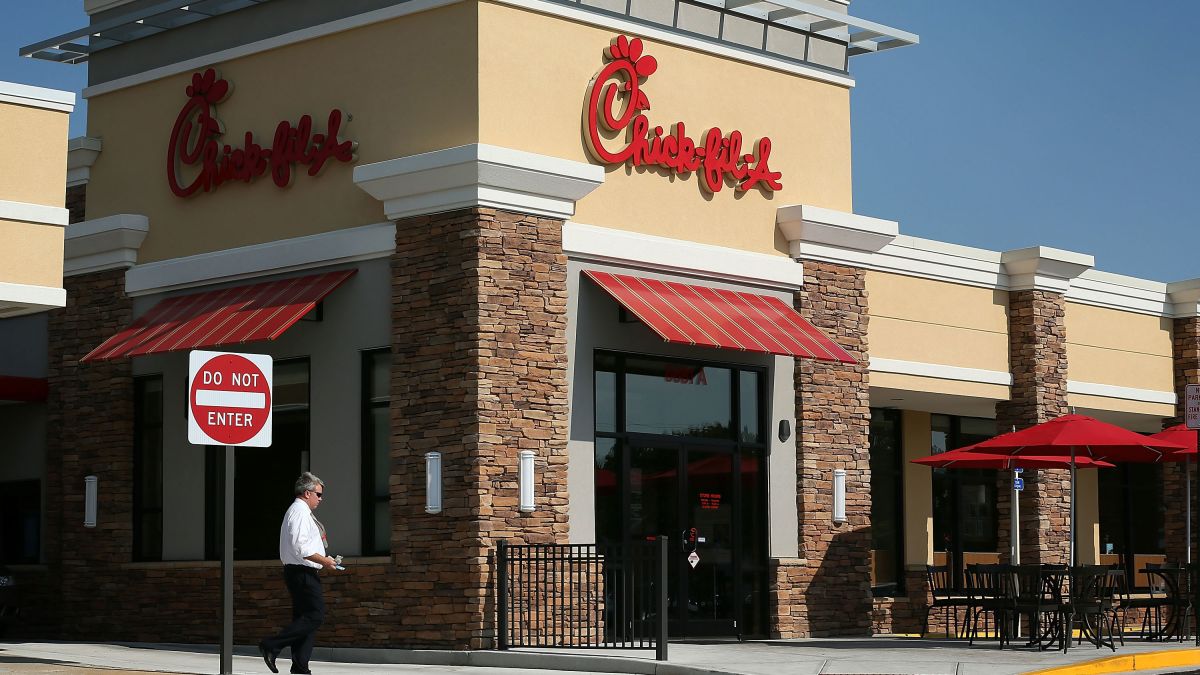
In this context, the San Antonip City Council vote a few years back crossed the line in explicitly deciding against letting Chick-fil-A open a restaurant in the municipal airport because of the fast food chain owners’ perceived hostility to gay marriage.  If individual consumers want to shun chicken to punish Chick-fil-A for its politics, that’s their right. But when a city government imposes a political litmus test like this on a private company, it oversteps. The left-leaning city council rightfully reaped the whirlwind for its choice. This isn’t the right way for governments to treat private companies.

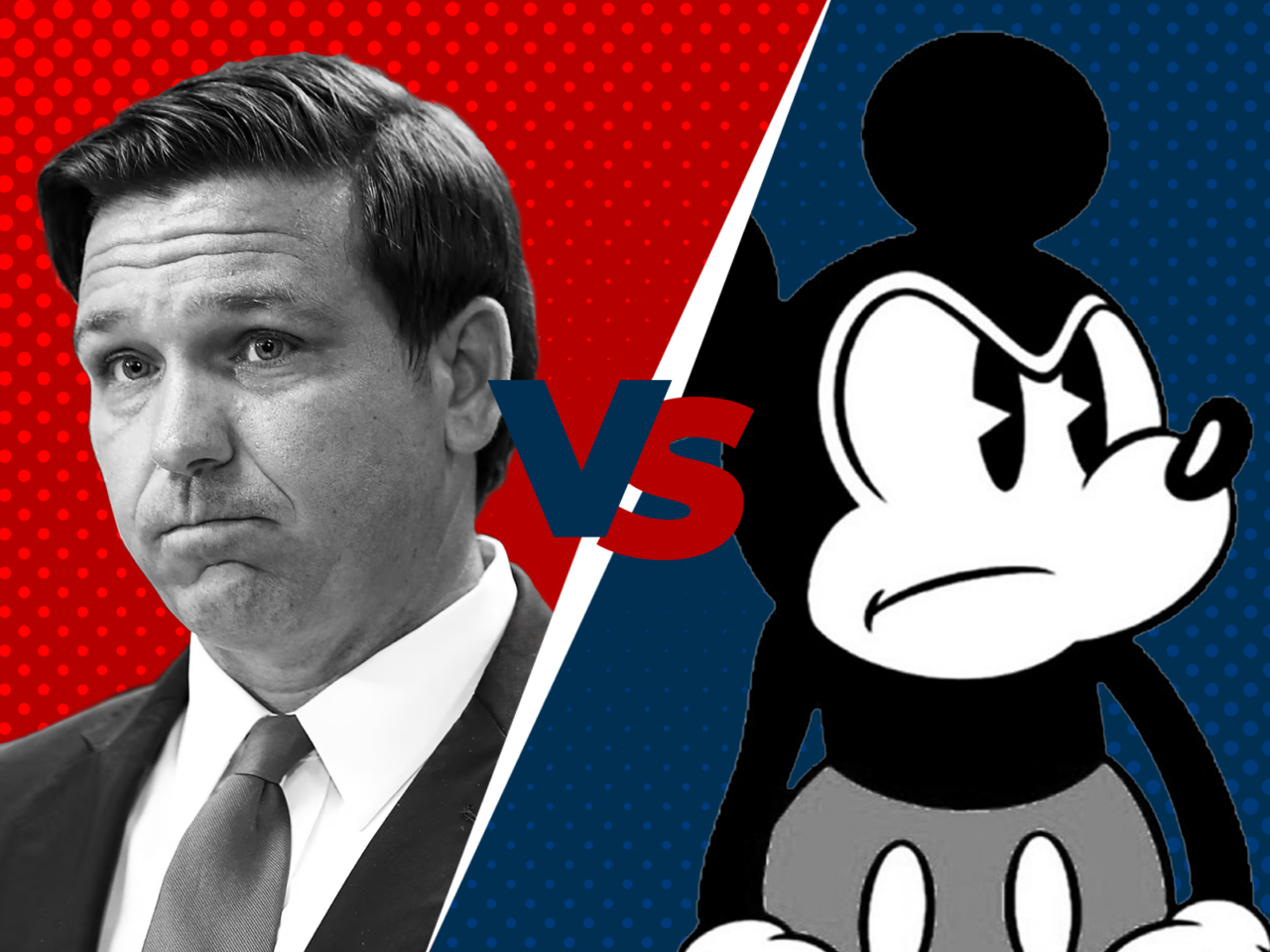
Meanwhile, Florida Governor Ron DeSantis has joined the trend set by the Texas legislature of punishing corporations for their left-leaning politics. He urged the Florida legislature to strip Disney of its special tax status, when Disney joined a letter condemning proposed legislation in Florida. DeSantis made clear this was personal, and his action retaliatory, saying  “Disney thought they ruled Florida. They even tried to attack me to advance their woke agenda.”

Desantis_v_Disney
Desantis’ bullying is clearly anti-constitutional

Official government retaliation for protected speech is a violation of the First Amendment. I guess it goes to the courts next but this is really important: Our system depends on DeSantis getting slapped down for this attempt to retaliate for political speech.

Here’s how it should go. Disney gets to express any type of speech or political stance it wants. Within the bounds of employment law, of course. Private consumers for their part get to decide whether to buy more, the same, or fewer of Disney’s products as a result of Disney’s expressions. Disney is free to be as woke or as reactionary in their public utterances as they please, and then they can suffer the consequences. Cancel, or embrace, or just appreciate princess movies for what they are – it should be all the same under the law.

In a non left-right culture-war context, this may be easier to understand. If I run an ice house – serving beer and spirits – and I flip the bird to the mayor of my city or the county judge or the governor, that’s my absolute right. I’m an American, damnit! If the next week I get a visit from the Texas alcoholic beverage commission and learn my license to serve has been revoked for no other reason than I was being rude to the powers that be, that’s retaliatory and a violation of my rights. Governments and government officials are not allowed to act like precious snowflakes. Private citizens and businesses are protected in a way that governments are not. 

Public officials and governments need to be circumscribed in their statements and actions. They don’t get to do and say what they want. That’s the whole point of the constitution. To protect us from the government. It is not ok for a public official to opine and then try to shape the politics of a private company. It is worse still to bring the power of the regulatory state to bear on a private company, as long as the company is acting within current law. To do what DeSantis has done in Florida is to make an important move toward an autocratic state. This should be equally clear to conservatives and progressives alike.

Forcing corporate allegiance to current office holders’ political stance is both anti-market and pro-autocrat. Punishing companies for their political stances is anti-American.  It’s the stuff of Putin’s Russia.

A version of this post ran in the San Antonio Express News and Houston Chronicle.

Please see related post:

The anti-constitutional attempt to regulate speech in TX on social media platforms.

Post read (174) times.

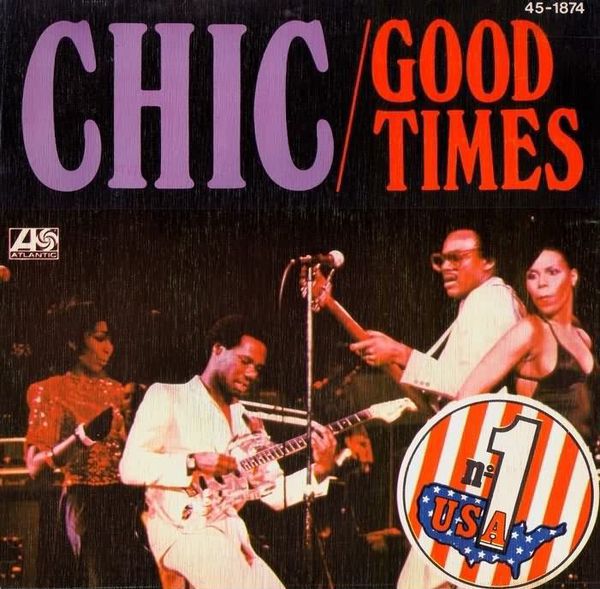
The Good Times

The US Financial Infotainment Industrial Complex needs to tell us bad, shocking, surprising, and emotionally arousing news. It is less good at pointing out the opposite. Like good news. Or, “things were less interesting or less frightening than we expected.” That stuff tends to get ignored in the media.

As financial news consumers we need a good dashboard for tracking the main indicators of economic health. Meanwhile, instead, financial media acts like a series of blinding strobe lights, flashing shocking inflation numbers or surprise jobless claims numbers, what stock dropped or jumped 25 percent this week, or which maniac billionaire tweeted an irrelevant weed joke yesterday.

The Financial Infotainment Industrial Complex does not want to discuss the boring things, or the good things. But I do, damnit. 

“Give me the boring, Taylor, and give it to me straight!” is how I imagine you exhort me when you open up your weekend paper, as we sit down together at The Club. (I like to pretend I’m a 19th Century English gentleman, so “The Club” is my preferred way to exchange boring financial news with friends.)

So, friends, let’s talk about inflation and employment in April 2021. And then a brief nod at the end toward taxes, assets, government debt, and economic growth.

Inflation

Data released on April 12 for the widely followed Consumer Price Index showed 8.5 percent inflation over the past year. The highest in 40 years.

This seems perverse to say, but I’m glad to see this inflation. Relieved. This feels to me…normal. Reassuring. 

Why? Because during COVID the Federal Reserve explosively grew its balance sheet to $9 trillion. That was a jump up from $4 trillion for the extraordinary quantitative easing (QE2) period during the 2014 to 2020 era, which itself was a doubling from the $2 trillion post-Great Recession expanded balance sheet in 2009. And we have had a 20-year run of historically-low interest rates. I was sick of predicting inflation for 20 years in a row and being wrong every time. The absence of traditional consumer price inflation was weird.

If inflation hadn’t taken off in 2021, all economic laws of money supply theory would be out the window. Fortunately, the appearance of regular consumer inflation means that the fringe economic ideas of Modern Monetary Theory can be relegated to the footnotes of history.

Before 2022, we only saw inflation in indirect forms.

The cryptocurrency and NFT weirdness in 2021 was inflation. The positive S&P500 returns of 29, 16, and 27 percent in 2019, 2020 and 2021 respectively was inflation. Rapid home price appreciation over the last 3 years was inflation. We just didn’t see it so obviously in consumable goods. And now we do. Order is restored to the universe. 

Also, the Federal Reserve will hike interest rates approximately 6 more times this year and will shrink the balance sheet. Inflation will revert to normal levels with normal policies. This is boring, and good.

Employment 

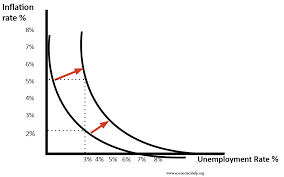
Classic economic theory links employment and inflation, in something called the Phillips Curve. The Phillips Curve is a picture of the following words: When unemployment goes down, prices go up. When unemployment goes up, prices go down. (or more accurately, prices go up more slowly). 

phillips_curve

The Phillips Curve is a bit dated, and debate continues about causality, magnitude of effects, secondary confounding factors, shape of the curve, etc, but the basic relationship between employment and inflation is considered real.  Federal Reserve economists explicitly adopt this linkage, and try for a happy Goldilocks medium of moderate inflation (around 2 percent) and strong employment, understanding that helping one side may unintentionally hurt the other. 

All of this is prelude to look at our dashboard metrics and to point out the following: You guys, employment has never been better than it is right now. The unemployment rate announced April 1st is 3.6 percent. Except for a few briefs months right before COVID hit, we’ve never measured unemployment this low. This is amazing, unabashedly, good news. 

Complaints in financial media from the business community about the difficulty of hiring workers is a very negative spin on a very positive situation. Working people have pricing power. They can get jobs, and then they can negotiate to get a better job, because unemployment is so low. Unemployment at 3.6 percent is considered way better than standard models of the US economy would predict, because we’ve simply never had it this good. 

Good_Times

Good news like this doesn’t make for exciting headlines but it doesn’t make it any less true. And also traditional models would suggest that when employment is this good, we should expect higher than normal inflation. 

It doesn’t feel like it, you may not believe it, financial media won’t admit it, but: These are the good times.

Time for a lightning roundup on stocks, housing, tax collection, and economic growth to complete the dashboard review.

Stock Market and Housing

Big upward moves in stocks and home values between 2019 and 2021 were a form of inflation. But also, a form of wealth. The US stock market is about 8 percent off its all-time highs, but by any reasonable and historic metric has performed like an absolute racehorse in recent years. From a dashboard perspective, these asset markets are still booming. That’s usually considered good.

Taxes

Federal tax collection hit a record high last year. This is good news. You might think that’s bad news (because you don’t like taxes) but it is also good news because (hopefully) you also don’t like government debt. We have lots of debt, so it is good that we collect lots of taxes in order to stay current on the debt.

We collected a lot of taxes last year in part because over 96 percent of people who want a job have one, and also because an elevated stock market generates a tremendous amount of capital gains taxes.

Economic Growth

The US economy grew 5.7 percent in 2021, well above trend, nicely undoing the steep COVID recession of 2020 that shrunk the economy by 3.4 percent.

Financial media doesn’t want to admit it, but these are the good times, right now.

A version of this post ran in the San Antonio Express News and Houston Chronicle

Please see related post:

Economic Theories – Hayek, Keynes, MMT

Post read (148) times.

Book Review: The Contrarian by Max Chafkin

Now fully in the swing of the new Gilded Age, we are ruled by a class of philosopher kings who bestride the business and political worlds. Unelected and with few checks on their power, these philosopher kings – generally philosopher billionaires – wield tremendous influence over our lives. They typically receive hagiographic coverage from the business press.

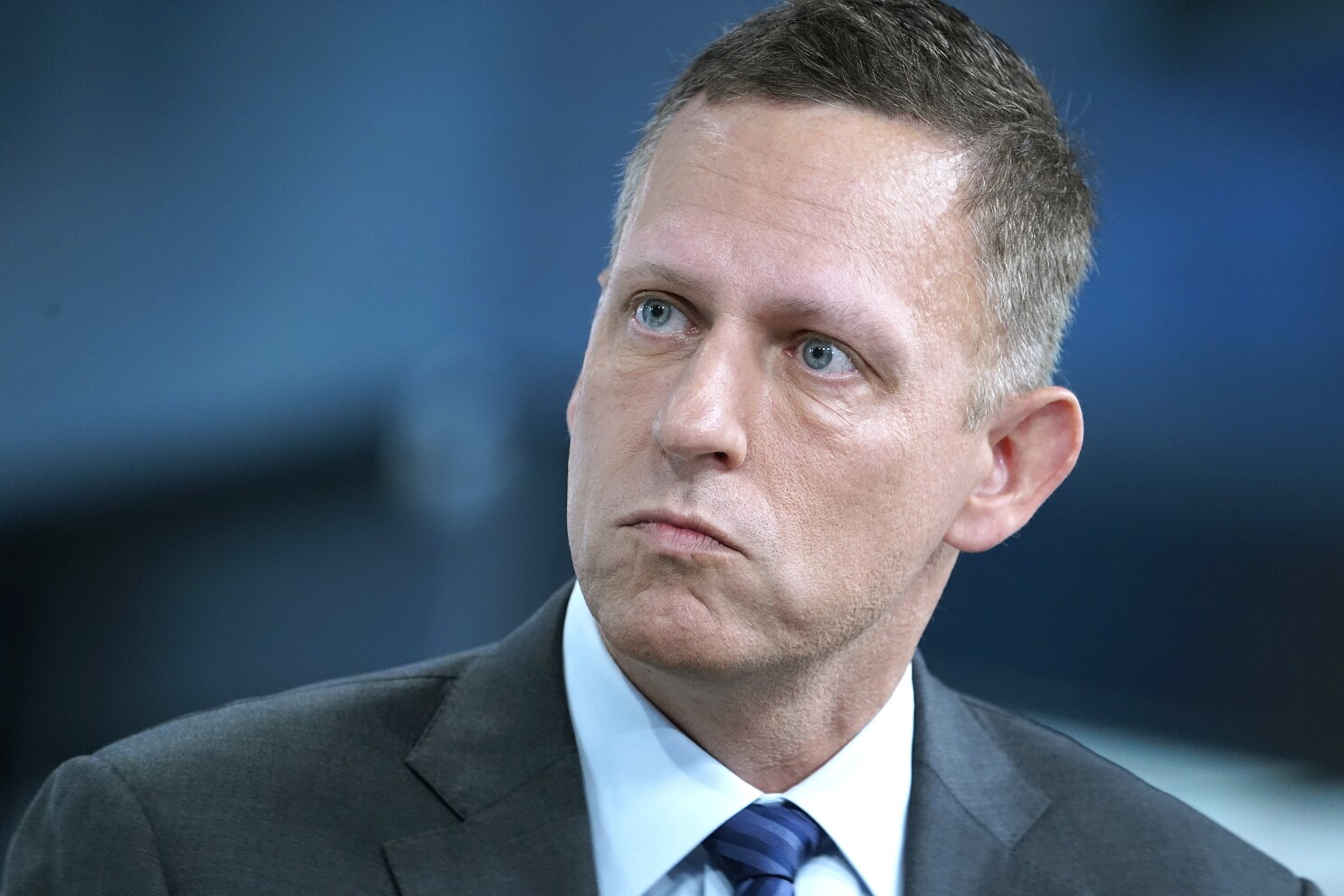
Peter Thiel, Philosopher King

My New Years’ writing resolution for 2022 is to learn more about our Gilded Age tech and finance overlords through reading their biographies and their own writing. If I cannot prevent their leadership, at least as a citizen I can attempt to understand their leadership.

In this spirit I read Max Chaftin’s first major biography of one philosopher king, The Contrarian – Peter Thiel and Silicon Valley’s Pursuit Of Power, published in 2021. I also read Thiel’s own startup-advice book from 2014, Zero To One, co-authored with Blake Masters.

Thiel has also pursued a political philosophy of extreme libertarianism, which became more openly known when he was one of Silicon Valley’s few backers of Donald Trump’s candidacy, and then presidency. 

As an undergraduate and then law student at Stanford in the late 1980s and early 1990s, Thiel was 30 years ahead of his time in identifying, and then attacking, multiculturalism on college campuses as a unifying enemy of the Right. Thiel founded the Stanford Review in 1987 and authored Diversity Myth: Multiculturalism and Intolerance on Campus in 1995 – [LINK: https://amzn.to/3G65GBt] both publications laying the groundwork for today’s political fights about overly “woke” campus cultures and “critical race theory.” Agree or disagree with him about politics, he certainly is good at anticipating where things are headed, in both business and politics.

What strikes me as most important to know about Peter Thiel from Max Chafkin‘s book is the following: Peter Thiel is not a good guy. He used ethically dubious – even devious – methods to cut out his partners in his original successful venture, PayPal. He would continue that pattern of short-changing early founders numerous times, including encouraging Mark Zuckerberg to undercut his own partners at Facebook. Defenders may see and justify this behavior as just the kind of ruthlessness needed to succeed at the scale at which Thiel has succeeded in business. For my part, Chafkin’s book makes me think Thiel is a philosopher king about whom we should be very, very, afraid.

He used his fortune to secretly sue, and ultimately bankrupt, online media company Gawker because of its unflattering coverage of him over the years. He has a more than 30-year track record of building network ties with right wing provocateurs who are not just conservative in the traditional sense, but anti-democratic in the most dangerous sense. He repeatedly backs and associates with figures on the alt-right fringe like Charles Johnson, Curtis Yarvin, and Milo Yiannopoulos. These aren’t conservative intellectuals and right-of-center public figures as much as they are provocateurs opposed to democratic norms.

“Peter’s not a Nazi,” Chafkin quotes Charles Johnson, speaking about Thiel, “Nazi-curious, maybe.” Johnson later softened that statement about his friend to imply that Thiel simply has wide-ranging intellectual interests. But the pattern of Thiel’s philosopher billionaire interests suggests that he has a kind of end-times, blow-up-the-system, anti-democratic approach to government.  

He also has a clear preference for monopolies as a business strategy, and spends considerable time describing Google’s monopoly power in Zero To One

The rest of Zero To One is fine as business book go, although like many others of its type is filled with sweeping generalizations stated with supreme confidence, relying on anecdote over data, with a preponderance of recency bias and stories about Thiel’s own business experience and network.

One of the clear lessons of Chafkin’s book is that Peter Thiel’s life and philosophy contains major contradictions. He is a self-described libertarian whose major tech holding Palantir depends on national-security government contracting. His other major tech investment, SpaceX, depends on NASA-related and military contracting. 

Another weird contradiction between Thiel’s stated philosophy and life is that he expresses pessimism about the US technology and innovation scene, claiming that the 1950s to 19060s was some golden age of purposeful optimism, now lost. Political correctness and transfer payments have apparently killed the American dream. This is odd, considering the explosion in Silicon Valley power and innovation that he’s witnessed, and been part of, in his lifetime.

Palantir

Although he professes an anti-government philosophy, he has certainly invested heavily in political campaigns. He became well-known for making timely and crucial donations to Ted Cruz’s Senate campaign in 2012 and Donald Trump’s presidential election in 2016.  Palantir’s federal government contracting business soared under Trump, becoming the ultimate military-industrial complex contractor. This is odd for a self-professed libertarian, if he believed his own ideas.

Blake Masters is not only the coauthor of Thiel’s 2014 entrepreneur guidebook Zero To One, he is also running as a Republican primary candidate for Senate in Arizona in 2022. Another Thiel acolyte, J. D. Vance, is running as the Republican Senate candidate in Ohio, after working as part of Thiel’s venture capital firm Mithril. Vance received $10 million in PAC support from Thiel. This all feels like a philosopher king increasing his grip on the US Senate.

As a red-blooded capitalist, I can admire Thiel’s success as the ultimate builder and investor.

As an American and supporter of democracy there’s something profoundly troubling about the absolute concentration of power in the hands of the very few. A philosopher billionaire may have in a sense “earned” our respect through business accomplishments, but that does not mean the result is best for the rest of us. One point of living in a society that makes its own rules – one point of the freedom to choose our own leaders rather than have them chosen for us – is that we should not be overly subject to a king or a set of oligarchs.

I hasten to add that if you admire Thiel’s alt-right philosophy, you may cheer on his growing power and influence. Or you may point to the influence of another billionaire philosopher king like George Soros and claim that what’s fair for the goose is fair for the gander. I think this is missing the point of the danger. I don’t enjoy being subject to the unchecked power of philosopher kings at all, whatever their particular politics.

What is to be done? The current movement to curb Big Tech – a movement with equally enthusiastic support from conservative Missouri Senator Josh Hawley and progressive Massachusetts Senator Elizabeth Warren – seems one step to address this shared worry. 

I should be encouraged by Senator Hawley’s interest in curbing the power of Big Tech – I want this as well. But when I read of Thiel’s $300 thousand contribution to Hawley’s first run for statewide office in Missouri, I worry instead about Hawley as a kind of cat’s paw for Thiel’s attempt to smash Google’s monopoly, to the benefit of Thiel’s own business interests.

We need a more robust way to curb the philosopher kings.

Thiel’s right wing provocateur activities predates his capitalist career. Before he was a billionaire, he was a right wing philosopher.

A version of this post ran in the San Antonio Express News and Houston Chronicle.

All Bankers Anonymous Book Reviews in One Place

Post read (312) times.

Book Review: Undermoney, by Jay Newman


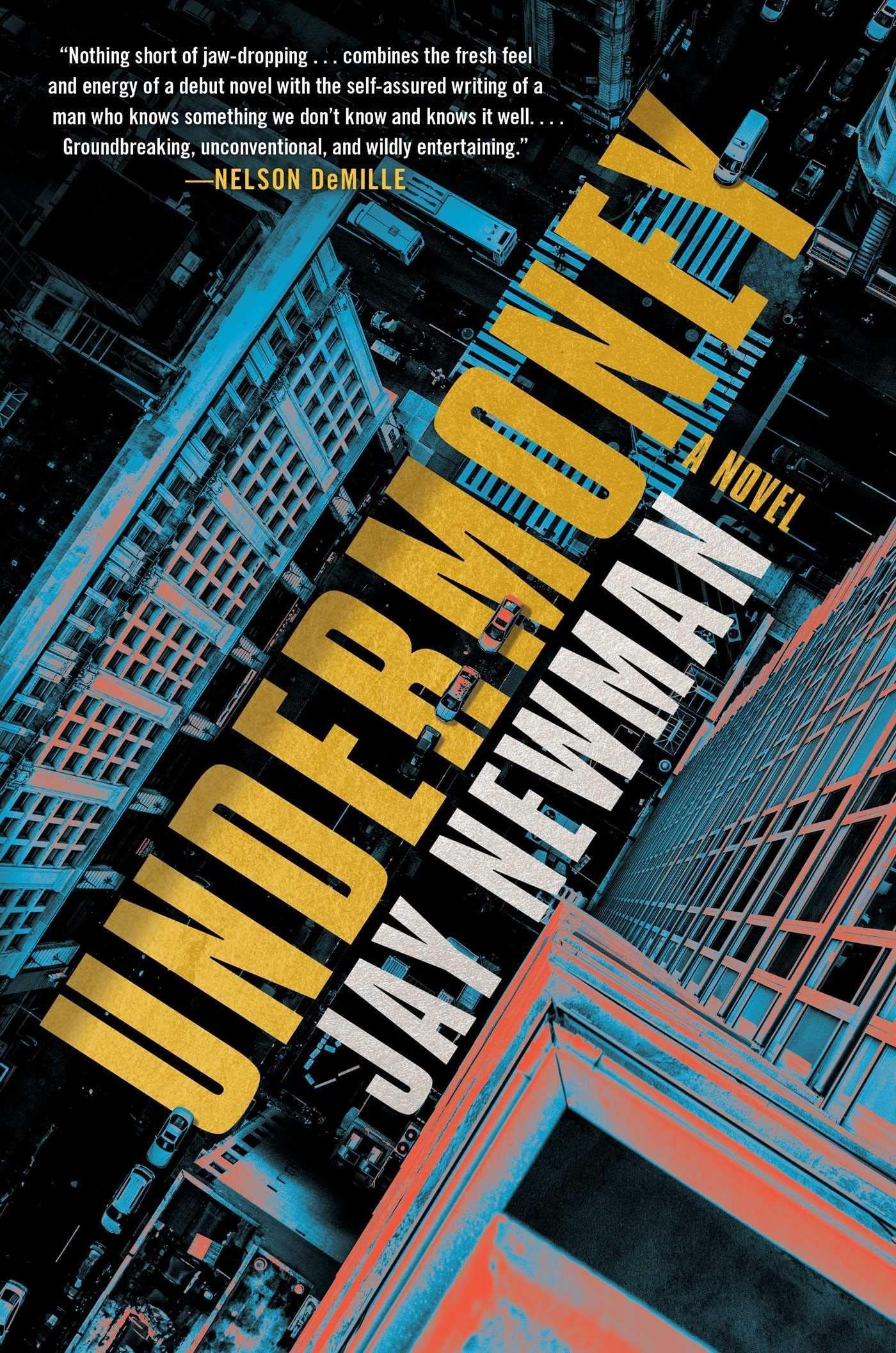
This Spring, my top book recommendation is the zeitgeist-capturing financial thriller Undermoney, by first-time novelist Jay Newman.

This has everything you want. 

Sociopathic billionaires. A beautiful adrenaline-junkie with the fighting skills of a special forces assassin. Deep State operatives conspiring to steal billions of US taxpayer money in order to buy an election and undo American malaise. Murderous Russian oligarchs deploying mercenary armies, serving Putin the puppet master. A Medici-descendent who controls a financial fortune to rival his descendents. Conspiracies within conspiracies. 

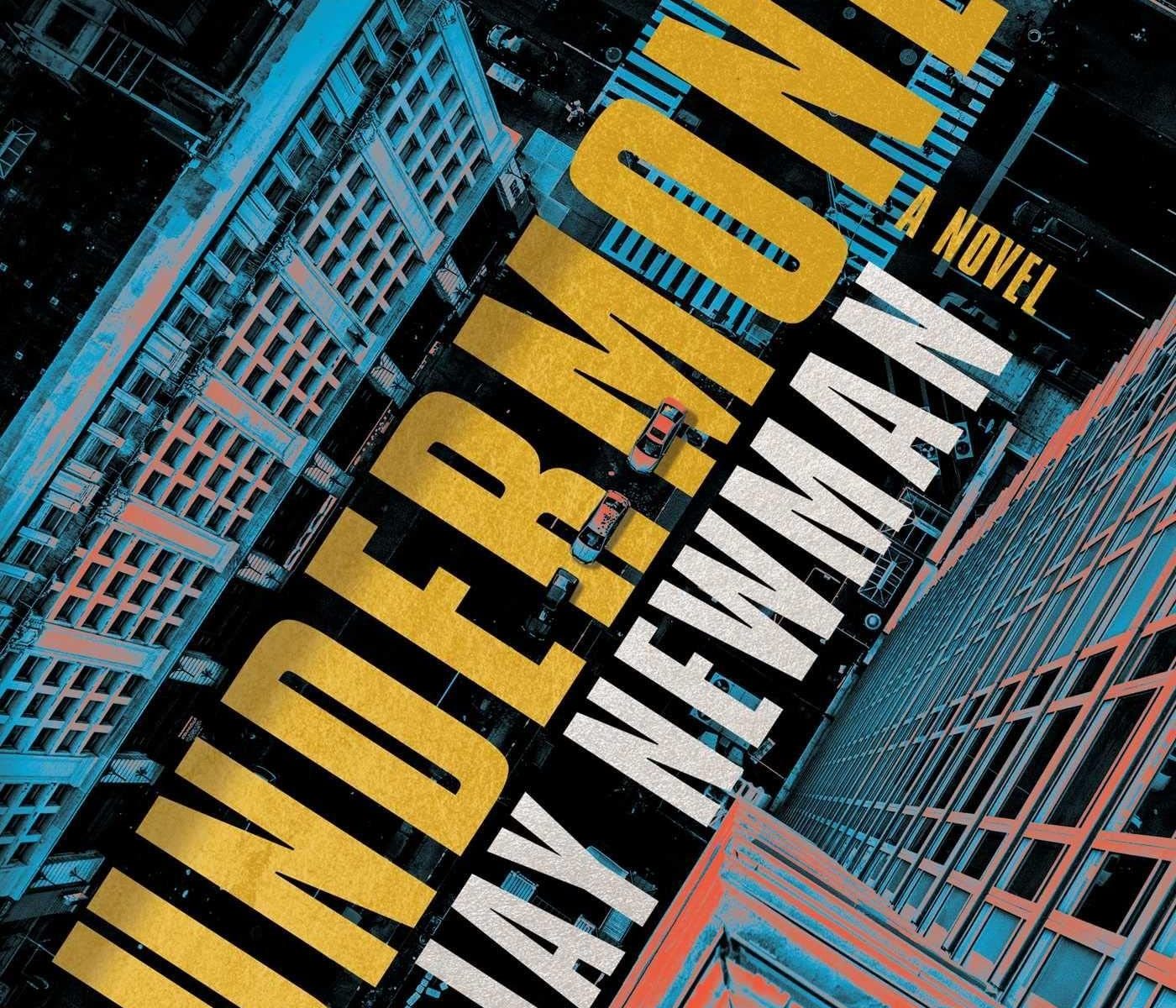
Undermoney_by_Jay_Newman
Undermoney, by Jay Newman

In his knowledgeable name-dropping of military specs on all geopolitical sides of war, Newman channels the Tom Clancy novels of the 1980s Cold War fiction. With his speculations into spycraft and double-dealing among competing military-industrial complexes, Newman nods to John LeCarre. Conspiracies hatch more intricate conspiracies, as baroque as anything from Dan Brown’s Da Vinci Code. If you enjoy financial/military/spy/conspiracy thriller books, you will love Undermoney

Published in January 2022, the fictional description of Putin and his use of mercenaries to do his dirty work seems ripped straight from current headlines. The dark money fueling US hedge funds are equally nefarious. Newman understands how kleptocracy and oligarchic excess – both in Russia and in the West – repel and attract us in 2022. This is fun stuff and extremely of the moment.

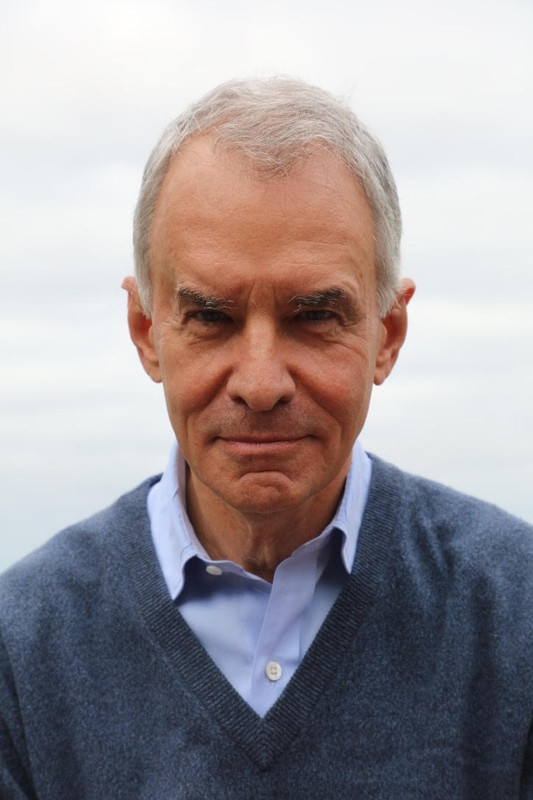
Jay Newman is not just any regular first-time novelist. Newman describes the world of the ultra rich and connected hedge funders because he worked, and fought, and emerged victorious from this world. 

He himself holds a legendary place in the hedge fund world, having endured decades-long battles against countries unwilling to pay their debts. When he writes about big money, international political intrigue, maniacally-focused hedge funds managers, he has lived through it all.

Author and hedge funder Jay Newman

In 1999, Newman managed to win a court case and change international bond market precedent against countries that do not pay their debts to bondholders. 

A brief interstitial financial history of sovereign debt: In the 1980s many Latin American countries defaulted on their debt to US and European lenders. In the 1990s, debt holders swapped their defaulted loans for “Brady Bonds,” named for for US Treasury Secretary James Brady. The new negotiated settlements allowed much of Latin America to rejoin international financial markets, even though debt holders had to accept less than full value to get back the Brady Bonds. I worked as a bond salesman at Goldman starting in 1997, focused on buying and selling Brady Bonds, so I lived and breathed this stuff for a few years.

Jay Newman, however, had purchased some Peruvian debt and withheld it from the Brady Bond debt swap. He joined forces with a very patient hedge fund named Elliott Associates. With Elliott, Newman sued for full payment of the debts from Peru. After years of legal appeals he eventually got a New York court to agree that Peru could not pay its Brady Bonds without settling Newman’s debt in full as well. For a few weeks in 1999 he threw the entire country into default, until he got paid. Newman became known as is the ultimate hard-ball negotiator of sovereign debt.

When Argentina had the largest sovereign debt default of all time in 2001, Newman deployed the same playbook. When the vast majority of debtholders turned in their defaulted Argentine debt for new bonds and accepted huge losses, Newman and Elliott held out for full payment. He sued Argentina. He made an absolute nuisance of himself in US courts and international courts. 

Newman famously managed to seize an Argentine naval ship in Ghana with 200 sailors aboard, using a Ghanian court order. In this way he anticipated the current string of yacht-seizures happening across the globe this spring against Russian oligarchs.

Fifteen years after Argentina’s original default in 2001, with many twists and turns along the way, Newman and Elliott prevailed. 

Usually, when I watch a successful financier turn out to be a great writer, I turn pickle-green with envy. I do not resent Newman, however, and maybe now is time for my own quick name-drop humblebrag. 

Newman was briefly a client of mine when I worked on the emerging market bond desk at Goldman. We followed along in real time as he engineered the Peruvian bond default.

I tried my darndest to sell him really cheap defaulted Argentine bonds in 2001, anticipating what his eventual strategy would be. It took him and Elliott 15 years to succeed, but eventually Newman prevailed with a $2.4 billion dollar settlement in 2016, an estimated 10x return on investment.

The word I kept returning to while reading Undermoney is prescient. Newman published Undermoney in January 2022, before most of the Western world had to reckon with Putin’s murderous kleptocratic regime. This guy sees the future.

Russian bonds will likely default in May, as Western bondholders have frozen reserves or blocked payments. 

I haven’t spoken to Newman in 20 years. There’s a high probability he would not remember me, as I wasn’t a particularly good salesman and he barely needed Wall Street to do his thing. I may send him this article however, as I need to find out what he is going to write about in his next novel. He clearly anticipates the future better than anyone. That might make me money some day.

A version of this post ran in the San Antonio Express News and Houston Chronicle.

Please see related posts:

All Bankers Anonymous Book Reviews in One Place

Hedge Fund as Pirate, seizes Argentine Naval Vessel

Post read (1426) times.